Retrieval-Augmented Generation Explained for Non-Engineers
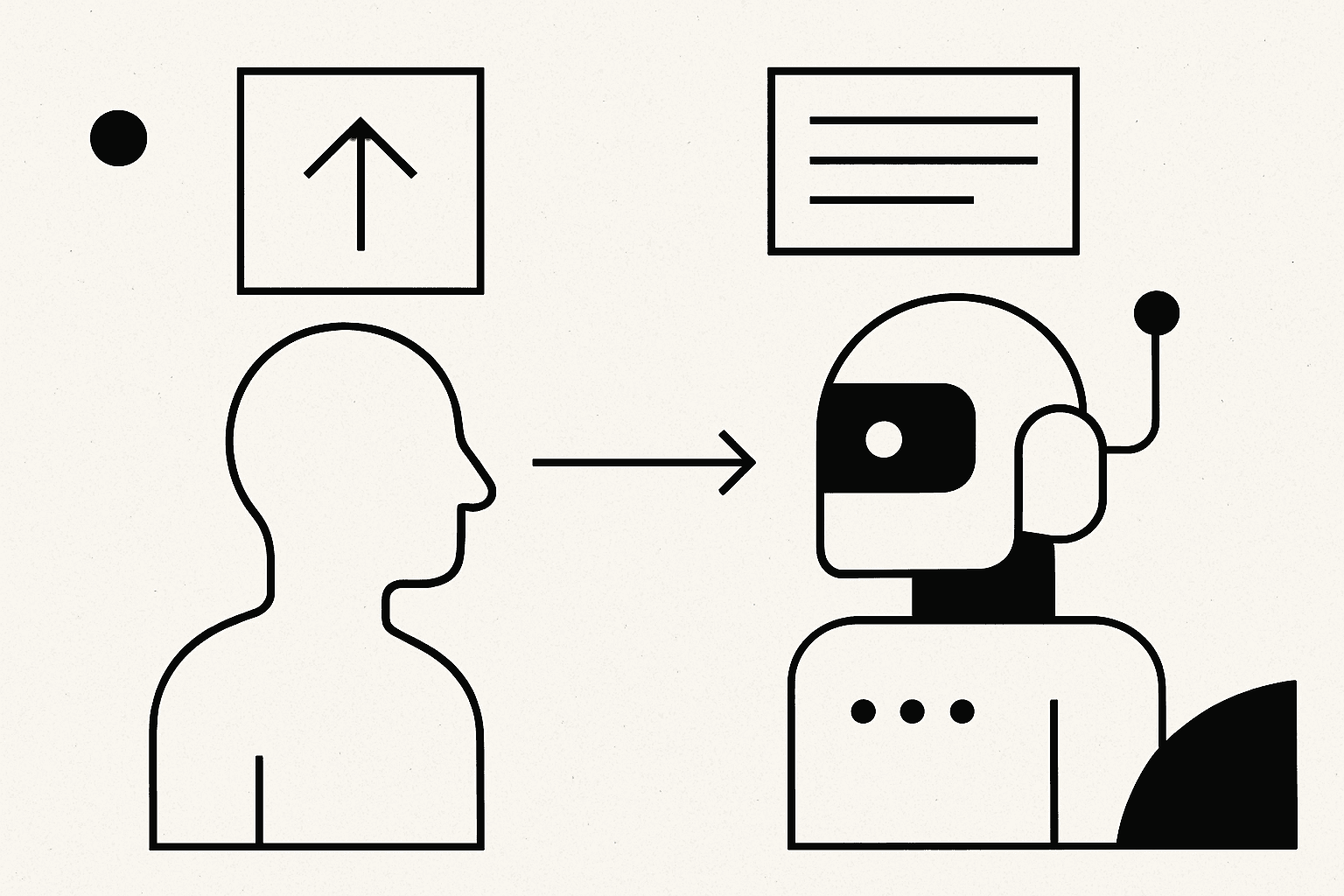
Artificial intelligence is becoming a cornerstone of modern business solutions, yet many approaches remain shrouded in technical complexities. One such innovation is retrieval-augmented generation, a technique aimed at enhancing AI-generated responses by harnessing pre-existing data. As practitioners in the AI industry, we believe anyone can grasp the fundamentals of this approach with the right explanation.
What is Retrieval-Augmented Generation?
Imagine you’re a student preparing for an exam. You don’t just rely on your memory; you also reference your notes or textbooks to provide more accurate answers. Retrieval-augmented generation works in a similar way. It combines two components: a retrieval system and a generation model. The retrieval system identifies relevant information from a database, much like pulling notes from a book, while the generation model (typically a language model) uses this information to craft a coherent and contextually enhanced response.
This approach can improve the accuracy and relevance of AI responses by grounding generation in factual data. For businesses, this means smarter customer service bots, more accurate clinical documentation, and even dynamic content creation that's tailored and relevant.
Why is it Important?
In typical AI systems, responses are often based solely on pre-trained models, which can sometimes lead to inaccuracies or gaps in information. By integrating a retrieval system, the AI can tap into a live, curated database to ensure its responses are both up-to-date and reliable. This can significantly boost confidence in the AI’s output, especially in fields that demand precision, such as healthcare or finance.
For instance, if our ScribeDesk product incorporates a retrieval-augmented system, it could pull the latest medical guidelines or research findings to support its documentation processes. This would not only improve the quality of the output but also reduce the cognitive load on healthcare professionals.
How Can Businesses Leverage This?
The application of retrieval-augmented generation is versatile and extensive. Businesses can integrate this system into their operations to enhance customer interactions, streamline internal workflows, and maintain competitive advantage. The key is recognizing where direct, accurate information retrieval can augment your current AI initiatives.
As we build and refine AI solutions for diverse industries, the potential of retrieval-augmented generation techniques continues to unfold. It's about creating AI systems that are less likely to hallucinate or err, bringing assurance to both end-users and stakeholders.
Is retrieval-augmented generation the right approach for your business? Our team at AIoverflow can help you explore how our tailored AI solutions can address your unique challenges.